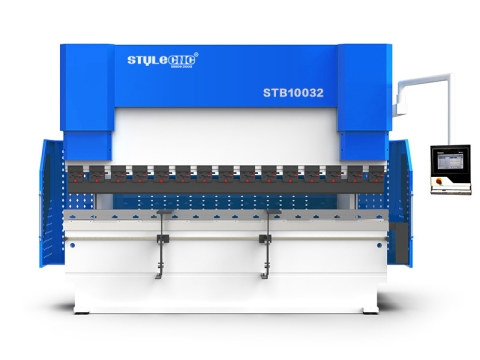
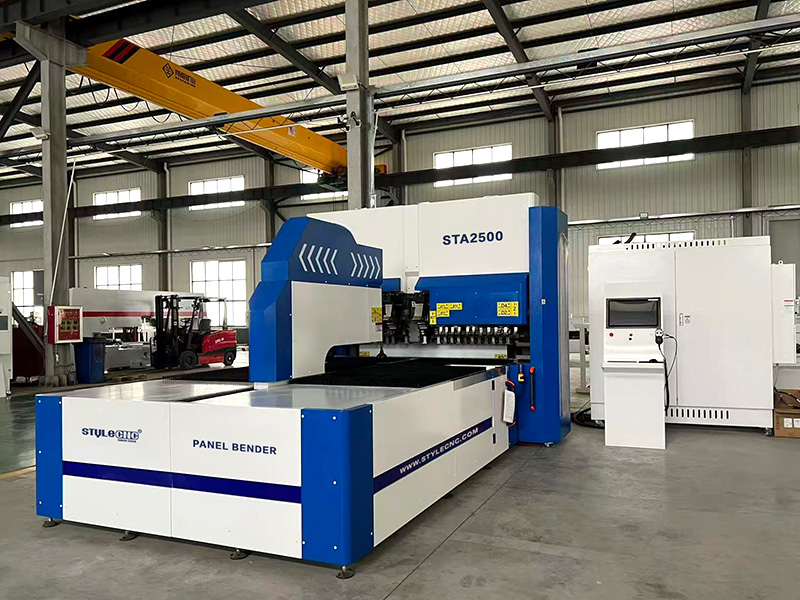
STA2500 擁有卓越的配置靈活性和豐富的彎曲選項。我將其應用于我的暖通空調和通風業務中,用于制造復雜的結構板、防護罩和各種風管組件——所有這些都對彎曲精度要求極高。這臺折彎機已投入使用十多天,到目前為止,它的性能在各個方面都完全符合我的預期。它具有高度的數控自動化,無需繁瑣的設置,能夠完成半徑極小的彎曲,并且精度極高——誤差幾乎可以忽略不計。我預計它將在未來多年里可靠地為我服務。如果您從事高強度、流水線生產且工作量繁重,那么這款折彎機將是您的??理想之選。
用于鈑金加工的自動折彎機
最近更新:2026-04-07 14:04:04
您是否正在考慮開展鈑金折彎業務,或者將折彎機與光纖激光切割機或工業機器人集成,構建柔性制造系統 (FMS)?無論您是新手還是經驗豐富的專業人士,這款自動折彎機都是您的理想之選。還有什么疑問嗎?讓我們一起深入了解吧!
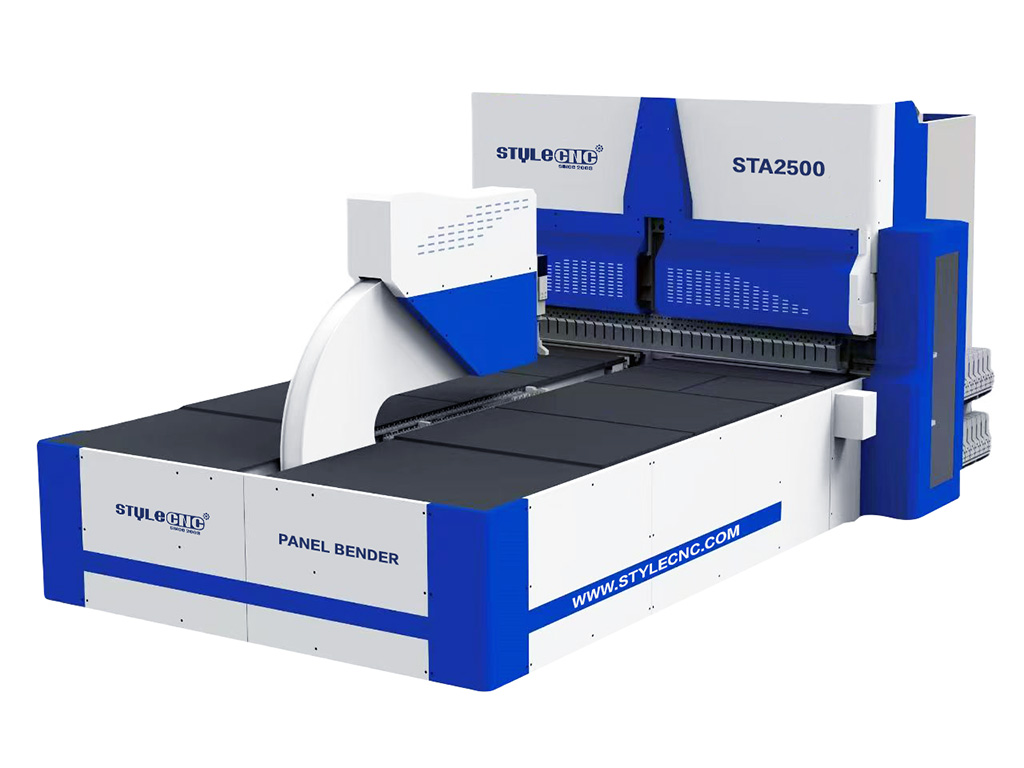
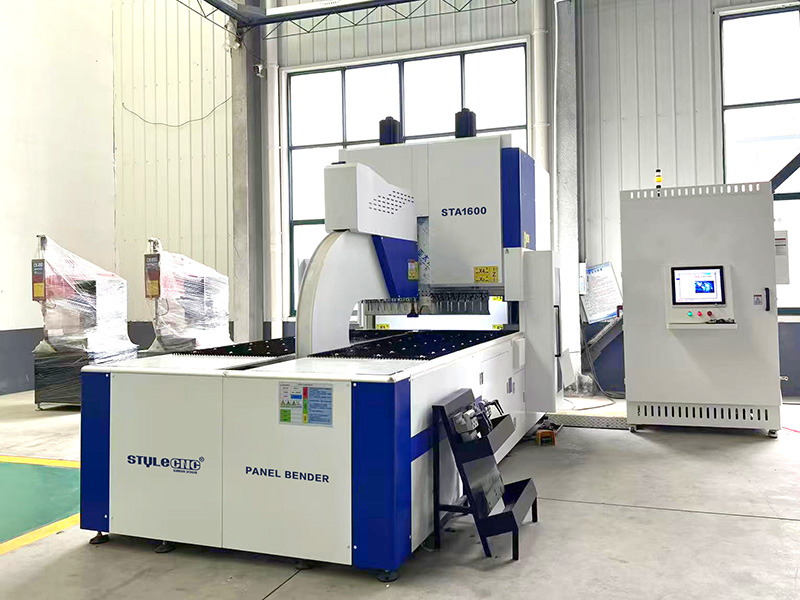
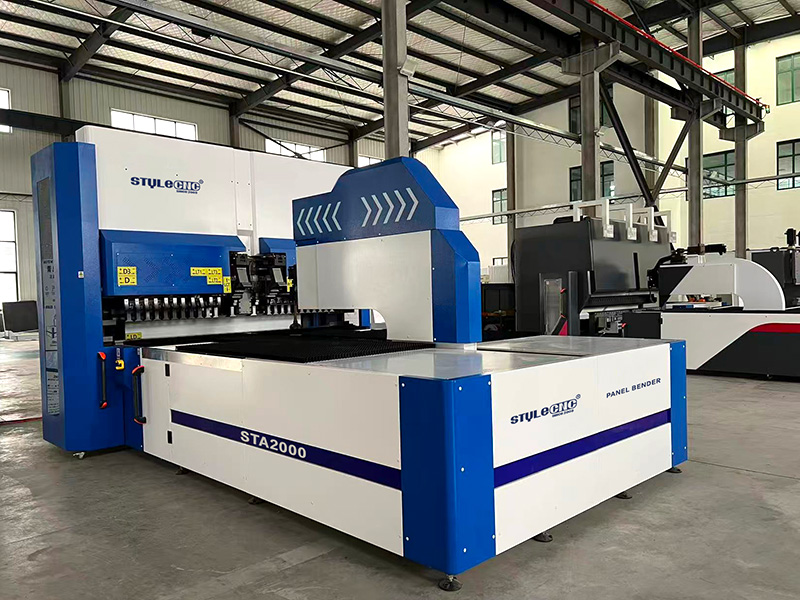
什么是折彎機?
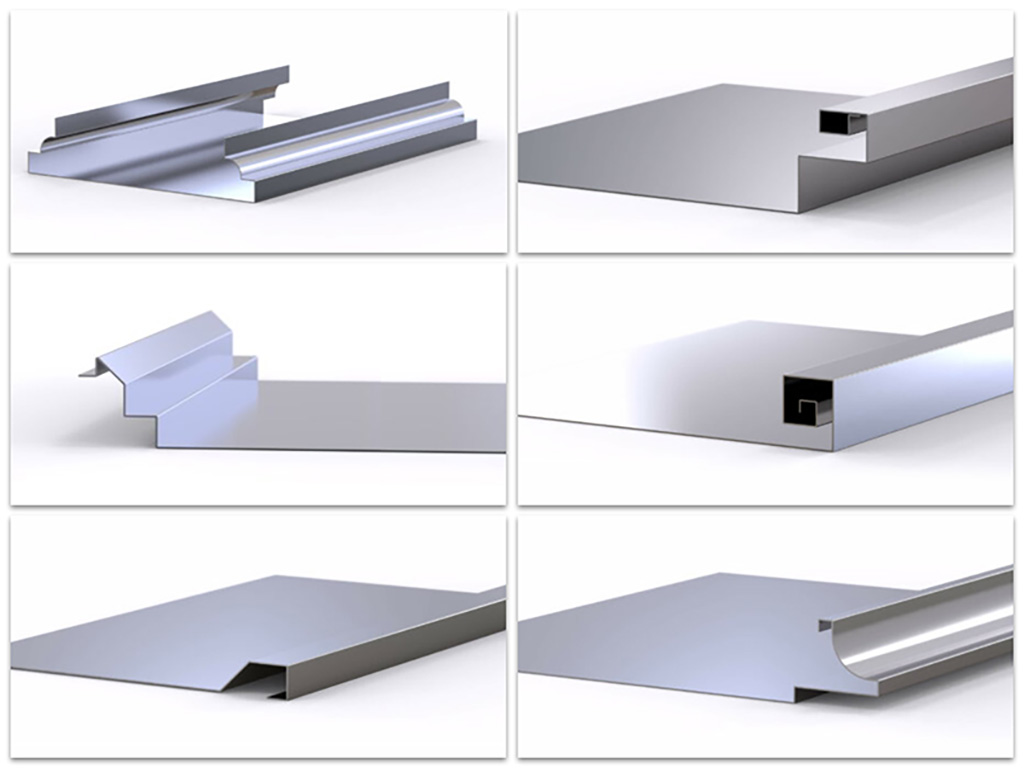
折彎機是一種與智能數控系統配合使用的自動化機床,能夠對鈑金零件進行高精度彎曲操作,包括階梯彎曲和卷邊彎曲(180° 為了增強強度),從內彎到偏移(急彎),從后彎(W 形彎)到半徑彎,以及復雜的彎曲序列——速度極快,質量優異。
折彎機的工作原理是什么?
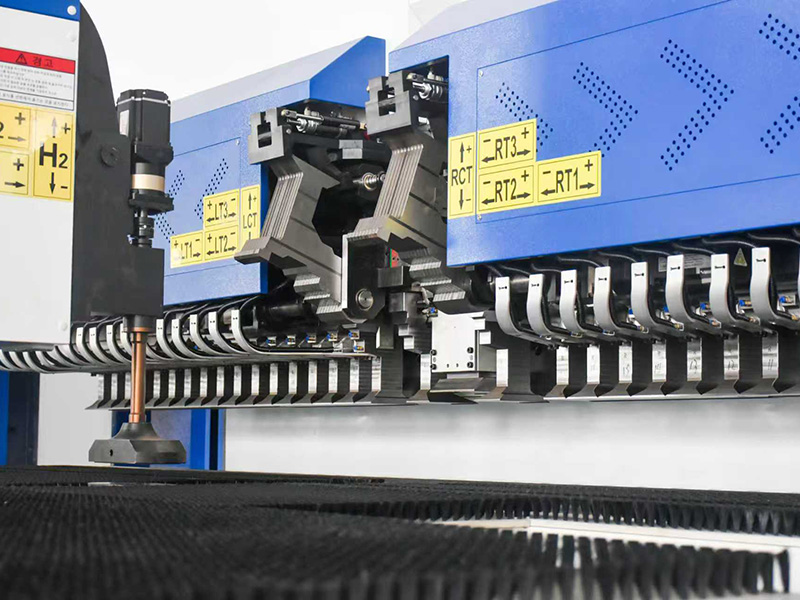
CNC折彎機利用CAM軟件控制多軸伺服電機,驅動成型工具對鈑金零件執行同時進行的上、下復合彎曲操作。
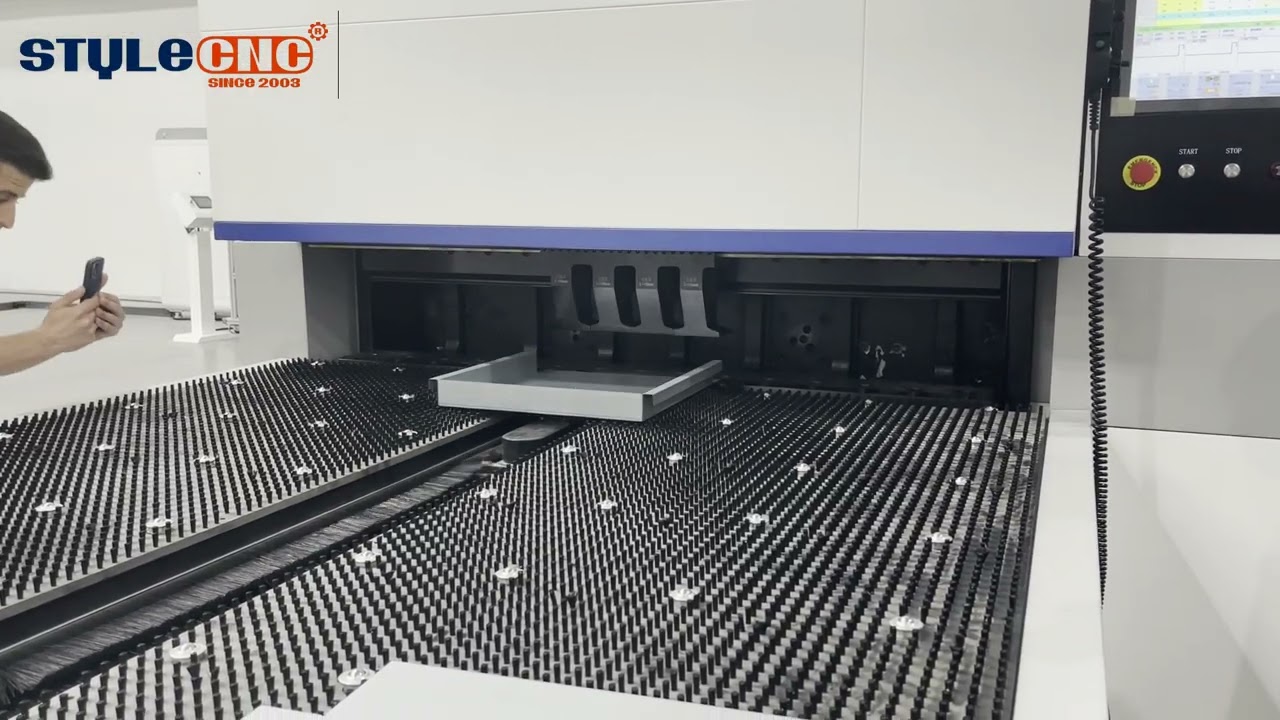
液壓或電動夾具將鈑金工件牢牢固定在折彎臺上,并將其精確地定位在折彎工具下方。
操作員將工件參數輸入數控系統,CAM 軟件自動生成彎曲程序,計算每個軸的運動軌跡以及夾緊參數。
CNC控制器軟件通過多軸伺服電機驅動成型模具組件,執行上下方向的彎曲運動(C軸控制角度,Y軸控制彎曲深度)。高精度編碼器提供模具位置的實時反饋,確保工件多個側面的彎曲、卷邊和成型操作能夠快速、有序地完成。
規格
| 型號 | STA1600 | STA2000 | STA2500 | STA3200 | STA4000 |
|---|---|---|---|---|---|
| 攝食結構 | 下壓臂 | 下壓臂 | 下壓臂 | 下壓臂 | 下壓臂 |
| 工作臺結構 | 刷子和滾珠 | 刷子和滾珠 | 刷子和滾珠 | 刷子和滾珠 | 刷子和滾珠 |
| 最大彎曲速度(S/彎曲) | 0.2 | 0.2 | 0.2 | 0.2 | 0.2 |
| 最大彎曲長度 | 1600 毫米 | 2000 毫米 | 2500 毫米 | 3200 毫米 | 4000 毫米 |
| 最大彎曲厚度 | 不銹鋼(SS)1.5毫米 | 不銹鋼(SS)1.5毫米 | 不銹鋼(SS)1.5毫米 | 不銹鋼(SS)1.5毫米 | 不銹鋼(SS)1.5毫米 |
| 碳鋼(MS)2.0毫米 | 碳鋼(MS)2.0毫米 | 碳鋼(MS)2.0毫米 | 碳鋼(MS)2.0毫米 | 碳鋼(MS)2.0毫米 | |
| 鋁(AL)3.0毫米 | 鋁(AL)3.0毫米 | 鋁(AL)3.0毫米 | 鋁(AL)3.0毫米 | 鋁(AL)3.0毫米 | |
| 最小彎曲厚度 | 0.3 毫米 | 0.3 毫米 | 0.3 毫米 | 0.3 毫米 | 0.3 毫米 |
| 最大彎曲尺寸(長×寬) | 1600×1250毫米 | 2000×1250毫米 | 2500×1250毫米 | 3200×1250毫米 | 4000×1250毫米 |
| 最大進給速度 | 120 m/min | 120 m/min | 120 m/min | 120 m/min | 120 m/min |
| 外形尺寸(長×寬×高) | 5000×3000×2480毫米 | 5800×3170×2500毫米 | 6300×3700×2500毫米 | 7100×4500×2800毫米 | 7900×5000×2800毫米 |
產品特性
憑借其卓越的精度和自動化水平,這款數控折彎機能夠幫助制造商提高生產效率、降低勞動力成本,并確保每個加工周期都能生產出完美的鈑金產品。
STA1600
高精度控制
采用先進的數控系統,確保精確定位和可重復的彎曲精度。
自動工具調整
智能伺服驅動工具,可實現快速設置和靈活生產。
高效節能
通過優化運動控制實現低能耗運行。
STA2000
智能數控控制器
該控制器具有直觀、用戶友好的界面(觸摸屏設計),可對彎曲過程的每個階段進行全面管理——從程序創建到實時參數調整。
堅固耐用
采用剛性機架和高品質部件,確保超長的使用壽命。關鍵部件具有卓越的剛性,不僅使機器保持其固有的強度和精度,而且還能實現更小、更輕的橫截面設計,從而最大限度地減少負載下的變形。
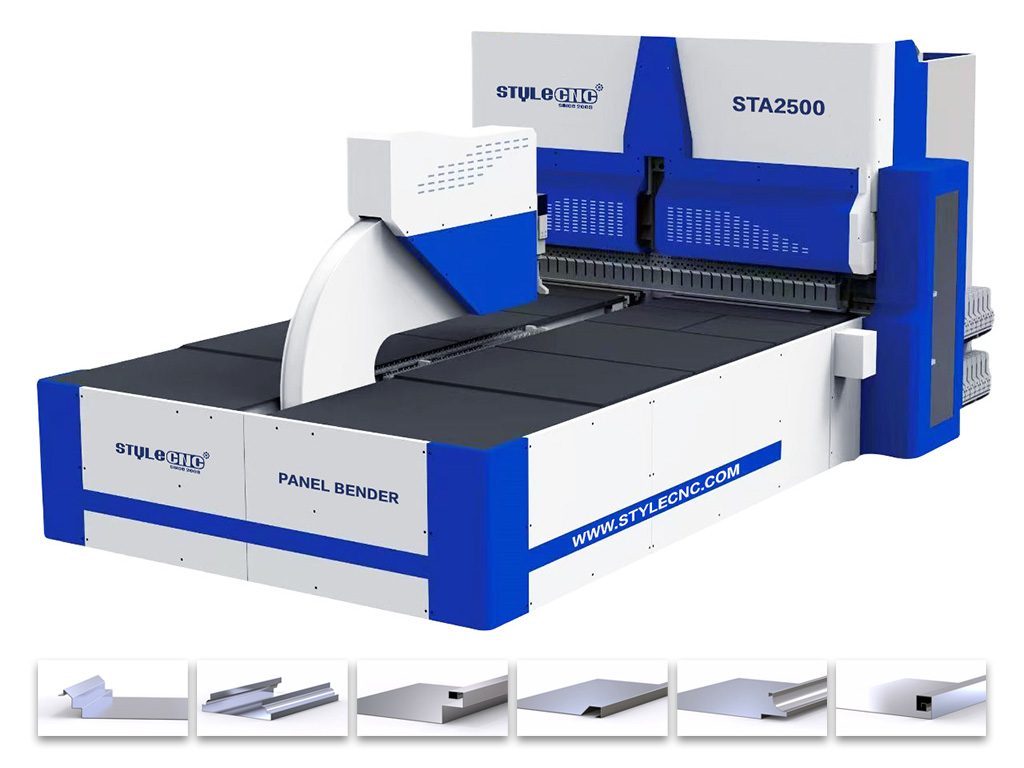
STA2500
安全防護
這些金屬材質的安全防護罩可有效防止操作人員與設備的運動部件接觸,從而顯著降低因意外接觸或飛濺碎片造成的人身傷害風險。這些防護罩牢固地安裝在折彎中心工作臺的周邊,確保在為操作人員提供安全保護的同時,設備的運行穩定性和可靠性也得到充分保障。
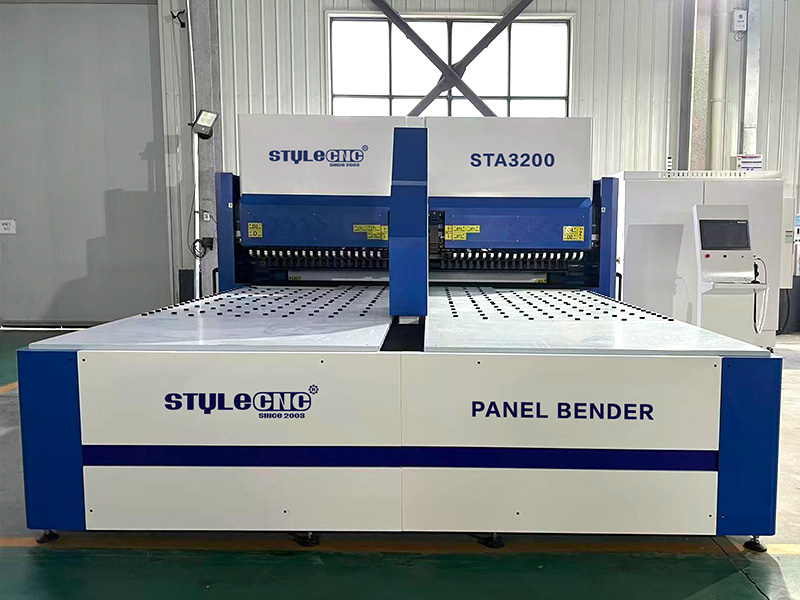
STA3200
自動夾緊式換刀器
自動夾緊式換刀裝置通過實現刀具夾具的自動切換,顯著提高了機器的生產效率和加工能力。自動壓邊圈更換裝置最大限度地減少了停機時間和人工干預,從而能夠在各種折彎任務之間快速切換,同時確保精度,進而最大限度地提高整體運行效率。
用途與應用
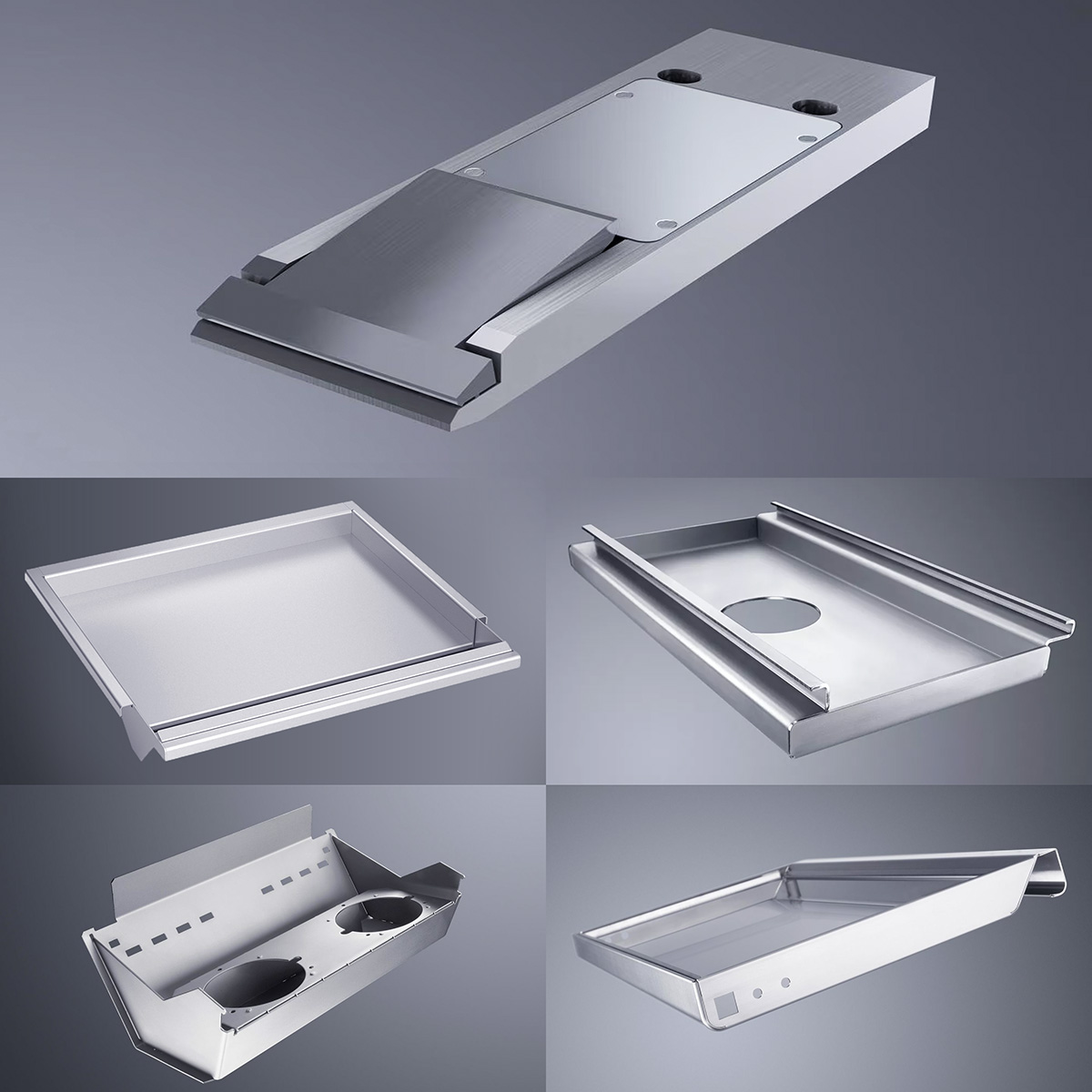
折彎機是一種自動化鈑金成型設備,主要用于對金屬板材進行連續、多面和復雜角度的彎曲和成型。與傳統折彎機相比,數控折彎機尤其擅長加工涉及復雜角度、曲面幾何形狀和高精度要求的零件,因此在櫥柜制造、電梯制造、廚具制造和家電制造等行業中得到廣泛應用,能夠高效快速地加工復雜的鈑金部件。折彎機通常與激光切割機和工業機器人集成,構成柔性制造系統 (FMS),從而實現無人或精簡人員的生產環境,并顯著縮短生產周期。
優點和好處
整臺折彎機的設計和制造均符合高精度機床標準。主機床身采用焊接鋼板制成,經過嚴格的應力消除處理,并在高精度機床上作為一個整體進行精密加工。最后,機器還要經過高精度檢測儀器的嚴格質量控制,以確保其長期運行的精度、穩定性和高結構剛性。
增強安全性
與需要近距離操作的手動折彎機不同,該產品允許工件從外部工作站轉移,從而確保操作人員的安全。
更高的精度和質量
它具有卓越的彎曲質量和高度的重復性,因此特別適合高混合、按需和精益生產環境。
更高的生產力
即使無需熟練操作人員,也能最大限度地提高生產效率。與手動折彎機和機器人折彎系統相比,該方案可顯著降低人工成本并提高整體盈利能力。
低能耗
能源消耗和 CO2 與液壓解決方案相比,排放量減少了 64%。
降低維護成本
與傳統液壓彎曲機相比,維護成本降低了 65%。
如何操作板材折彎機?
板材折彎機是一種高度自動化的折彎工具,其系統能夠通過一系列可編程動作實現板材的定位、夾緊和折彎。操作人員必須遵循特定步驟才能確保操作成功:
第一步:材料準備
面板檢查:開始之前,請確保金屬板符合該工作所需的尺寸、厚度和材料規格。
處理和裝載小心地將金屬板裝載到機器上。有些折彎機配有自動裝載系統,而手動系統則需要操作員將金屬板精確地放置在工作臺上。
步驟 2:程序設置
程序選擇使用機器的數控(計算機數控)控制器界面選擇合適的折彎程序。程序會根據設計規范確定折彎順序、角度和尺寸。
參數輸入請確保所有參數(例如板材厚度、彎曲半徑和角度)均已正確輸入系統。根據材料特性,可能需要進行微調。
第 3 步:試運行
測試彎曲在全面投產之前,必須使用測試片進行彎曲測試。這可以驗證程序設定的參數是否能產生正確的角度和尺寸。
調節方式如果在測試運行過程中發現任何偏差,請相應地調整程序或機器設置。
步驟 4:彎曲過程
自動彎曲所有設置完成后,機器會自動送料并定位金屬板材,執行折彎程序,并生產出所需的形狀。此時,操作員的主要職責是監控整個過程。
質量控制在彎曲過程中,定期檢查彎曲零件的精度。這有助于在進行大批量生產之前及早發現任何問題。
步驟五:完成步驟
卸載零件彎曲完成后,可以手動或自動地從機器上卸下。
后期處理在某些情況下,零件可能需要進一步加工——例如去毛刺或額外的成型——才能進行組裝或發貨。
關鍵注意事項
材料規格
不同的材料(例如鋼、鋁、銅)需要特定的彎曲設置,因為延展性、強度和厚度等特性會影響最終產品的質量。務必確認材料適合所設定的彎曲任務。
機器設置和維護
正確的機器設置對于確保彎曲結果的準確性和一致性至關重要。務必定期檢查關鍵部件(例如夾緊系統、刀片和成型模具)的磨損情況。
潤滑和清潔:確保所有運動部件得到充分潤滑,并保持機器清潔,以防止運行過程中出現錯誤。
程序準確性
CNC程序必須針對每個具體作業進行正確校準,因為設置不準確會導致彎曲質量差。材料厚度或機器設置的細微變化都會對結果產生顯著影響;因此,針對每個作業對程序進行微調至關重要。
安全措施
個人防護裝備(PPE)操作人員應始終佩戴合適的安全裝備——包括手套、安全眼鏡和防護服——以防止被鋒利的金屬邊緣或機器操作所傷。
緊急停止始終注意緊急停止功能,并確保操作過程中安全防護裝置到位。切勿在機器運轉時將手伸入機器內部。
機器維護:定期維護和保養是確保安全運行的關鍵。應定期檢查系統是否存在機械故障或軟件故障。
精度和質量控制
持續監控和頻繁的質量控制檢查對于確保每塊彎曲板材均符合設計規范至關重要。在整個生產過程中,角度和尺寸都應進行測量——無論是自動測量還是手動測量。
常見問題
板材折彎機可以折彎哪些材料?
折彎機能夠彎曲多種材料,包括碳鋼、不銹鋼、鐵、黃銅、鋁和其他金屬薄板。折彎機可以處理不同厚度和硬度的材料,適用于各種工業應用。
新手容易操作折彎機嗎?
折彎機在設計時充分考慮了用戶友好性,配備了直觀易用的界面。經過適當的培訓和練習,即使是新手操作員也能輕松設置和管理折彎作業,毫不費力地處理復雜的工件幾何形狀。
如何選擇合適的折彎機?
在選擇折彎機時,應優先考慮加工要求——具體而言,要確定材料厚度、工作臺長度、折彎精度和補償能力——同時也要考慮初始投資和長期運營成本。
如何避免面板彎曲不準確?
這可能是由于程序設置錯誤、材料屬性不一致或機械錯位造成的。請重新檢查程序并確保折彎機已正確校準。
如果金屬板滑落了怎么辦?
如果材料沒有被牢固地夾緊,請檢查夾緊力設置,并確保板材在工作臺上放置正確。
什么原因會導致金屬薄板表面損傷?
如果在加工過程中金屬表面出現劃痕或損壞,請檢查機器接觸點的清潔度,并確保板材與彎曲工具之間沒有碎屑。
客戶評價 - 不要把我們的話當成一切。了解客戶對他們購買、擁有或體驗過的產品和服務的評價。
S
Sirven
E
Eliot
堅固耐用,完全滿足我的需求。多次用于各種鈑金彎曲后,這臺折彎機依然經受住了頻繁使用的考驗。性價比很高。
優點
? 采用數控技術的自動化流程可以快速生產面板和復雜形狀的零件。
? 非接觸式操作可防止夾傷。
? 大型面板的超快加工周期。
? 材料保持平整,防止抽絲或打結。
缺點
? 初始投資額高(標準單元通常超過 60,000 美元)。
? 通常針對薄規格金屬(厚度達 3.2mm).
? 與大多數獨立式折彎機相比,需要更大、更永久性的占地面積。
延伸閱讀
沒有下一個產品
相關產品